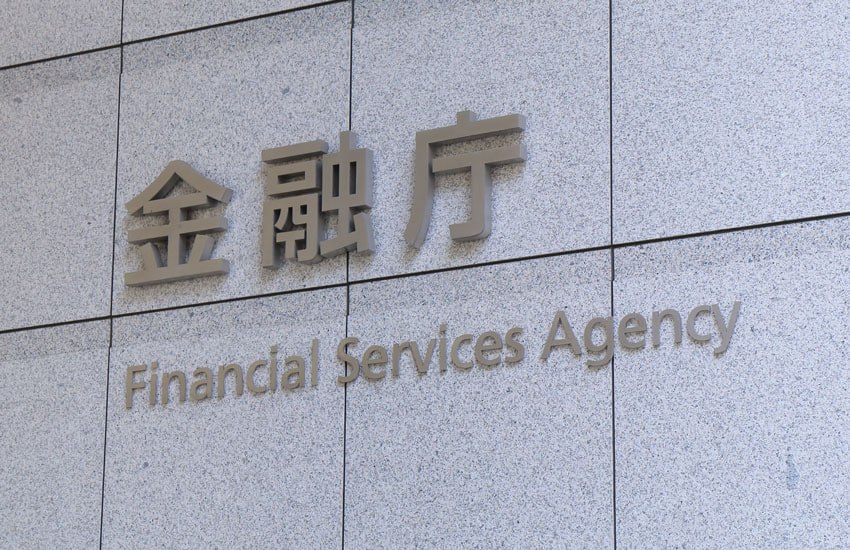
Japan’s Financial Services Agency (JFSA) has suspended international crypto transfers unless licensees prove ownership of a registered corporate entity. Effective May 18, 2026, cross-border payments require direct verification and manual compliance checks by banks. The move aligns with global efforts to combat anonymity and money laundering in digital assets.
TOKYO — The global digital asset market has hit another regulatory speed bump. Japan’s Financial Services Agency (JFSA) has announced a temporary suspension of international transfers tied to cryptocurrency operations. This radical move follows the enforcement of strict new compliance mandates introduced by the regulator on May 18, 2026.
Under the new rules, to execute cross-border payments, every crypto license holder is now legally required to prove ownership of an independent, registered corporate entity.
Farewell to Anonymity: The Core of the New Mandate
The era when crypto licensees could operate through complex networks of intermediaries or leverage blurred corporate structures is officially over. According to the latest JFSA circular, holding an established corporate entity has become a non-negotiable prerequisite for legal operations.
“The rules of the game are shifting globally. We can no longer afford the luxury of ‘gray-area’ compliance. Either you are entirely transparent, or you are out of the game,” noted BlackRock CEO Larry Fink, commenting on the broader global trend of tightening crypto regulations.
To unlock a suspended international transfer, license holders must undergo a direct verification procedure. The mechanism is as follows:
- The corporate entity must be officially registered under the license holder’s name.
- The exact and full legal name of the company must be emailed directly to the sending bank’s official address.
- The financial institution will resume the transaction only after a manual compliance check verifies the data.
The Regulator’s Motive
Japan has historically maintained one of the strictest stances on digital asset oversight. The JFSA’s latest move is not a localized whim, but part of a global crackdown on anonymity and money laundering (AML). The regulator aims to clearly identify the exact beneficiary behind every dollar or yen crossing borders via digital tokens.
Justin Sun, the founder of the TRON blockchain ecosystem, captured the scale of these shifting dynamics:
“Regulation is not the death of the industry; it is its maturation. Yes, new requirements from institutions like the JFSA create temporary hurdles and squeeze liquidity in the short term. However, in the long run, only the companies willing to play by traditional banking rules will survive.”
Immediate Steps for Businesses
Market experts agree that while panic is unwarranted, swift action is required. The transfer freeze is a technical measure, and access to funds will be restored immediately upon fulfilling the protocol. Licensees are advised to update their incorporation documents without delay, compile official proof of corporate ownership, and submit them to the compliance departments of their respective sending banks.
The “Wild West” era of crypto is definitively giving way to an age of absolute corporate transparency. The JFSA’s May mandate is simply the latest proof.