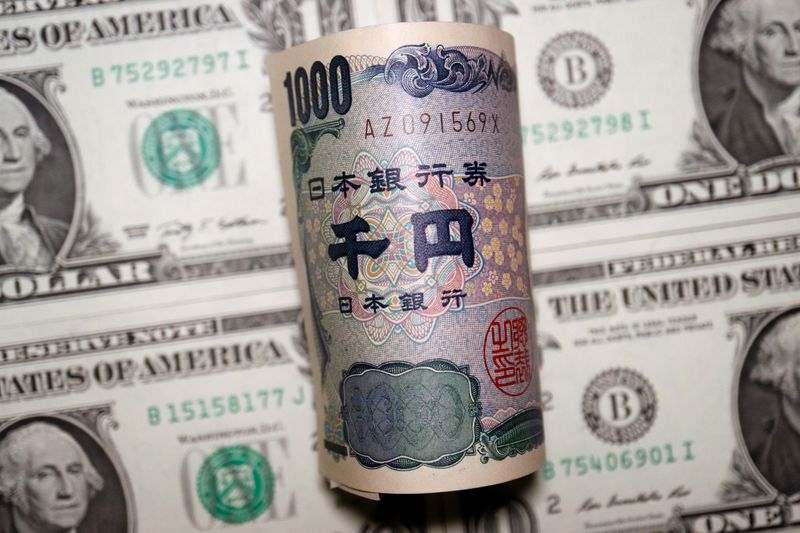
Recent coordinated intervention by the United States and Japan signals an informal “currency alliance” linking foreign-exchange policy with the countries’ wider economic and national-security relationship, Citi strategists said in a research note.
Japan’s Vice Finance Minister for International Affairs Atsushi Mimura described the latest intervention as the culmination of that alliance. Citi said the arrangement should not be viewed as a monetary union, but as policy coordination that may also support Japan’s $550 billion U.S. investment programme.
The bank does not believe Treasury Secretary Scott Bessent is implementing a proposed “Mar-a-Lago accord” aimed at reshaping the international monetary system. Still, dollar-selling intervention through the Federal Reserve’s Foreign and International Monetary Authorities facility was one element of that proposed framework.
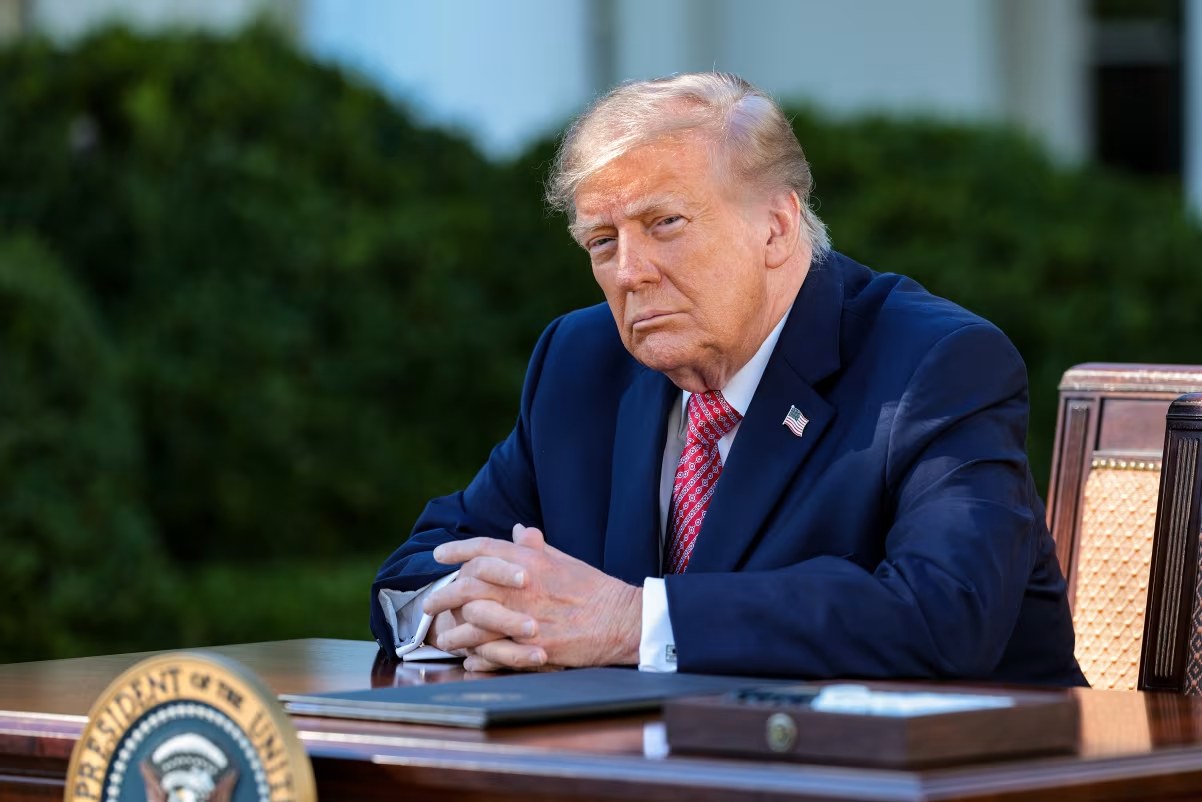
Citi said Bessent appears concerned that prolonged yen weakness could recreate conditions seen before the Asian currency crisis in the late 1990s. President Donald Trump’s description of the intervention as a “signal of friendship” suggests Washington supported the action.
The move may also send a warning to Japanese Prime Minister Sanae Takaichi, whose reflationary policies could place renewed downward pressure on the yen. Citi believes Washington wants Tokyo to moderate that stance.
The bank drew a comparison with 1998, when the U.S. initially refused to participate in coordinated intervention as the yen weakened. USD/JPY later plunged from ¥147 to ¥108 within six months after the collapse of Long-Term Capital Management disrupted financial markets.
Another unusual feature of the latest action was U.S. intervention to sell euros and buy yen. Citi views this as a temporary shift by the Treasury’s Exchange Stabilization Fund from a historically expensive euro into an undervalued yen.
Japan could take similar action if EUR/JPY rises toward ¥185 to ¥186, the bank said. European authorities would be unlikely to welcome large-scale euro selling, but may tolerate limited intervention following Washington’s move.
USD/JPY is expected to remain the main focus. Citi said intervention could also seek to push EUR/JPY below its recent low near ¥180, at least temporarily.
Markets will watch the Jackson Hole symposium from August 27 to 29, followed by G7 and G20 finance meetings in Asheville on August 31 and September 1, for further policy signals.