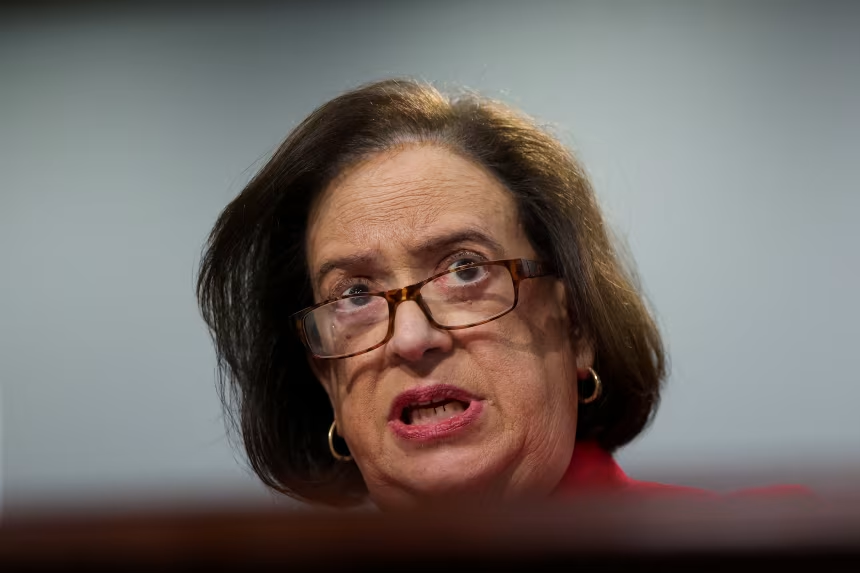
MANILA, July 24 (Reuters) – European Union foreign policy chief Kaja Kallas questioned Washington’s rationale for imposing new tariffs on European goods, saying on Friday that allegations of shortcomings in the bloc’s forced labour controls were unfounded.
“You can’t say that for the European Union,” Kallas told Reuters on the sidelines of ASEAN meetings in Manila.
“If you compare our labour laws to the ones of the United States, I mean, we have paid vacations, we have very good labour conditions for our employees, so it’s not really grounded,” she added.
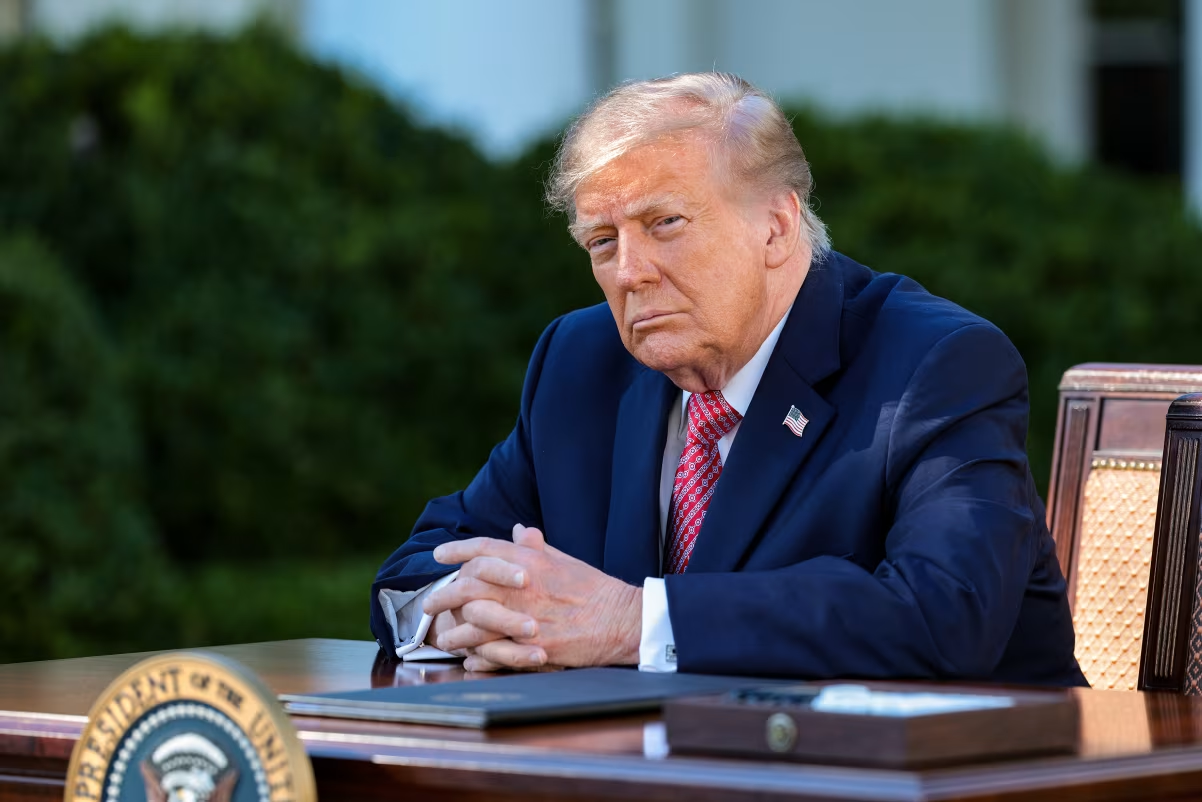
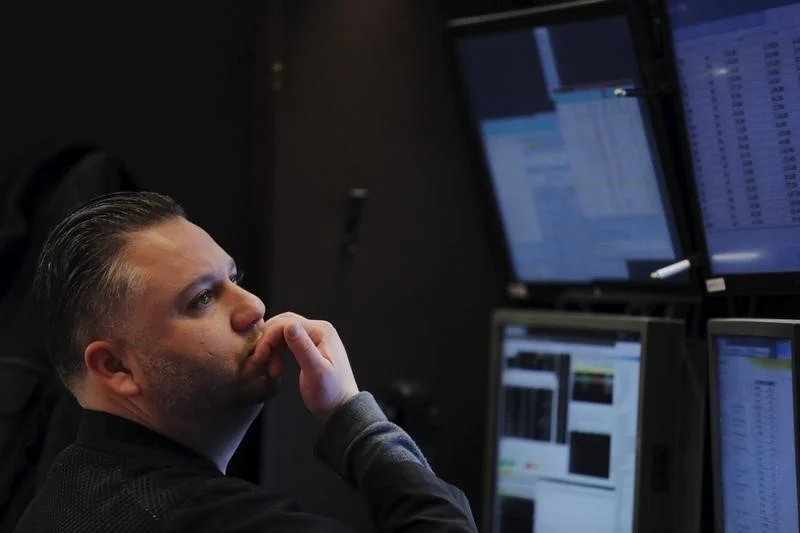
On Friday, the Trump administration imposed new tariffs of 10% and 12.5% on goods from 60 trading partners, including the European Union, over allegations of lax enforcement of forced labour bans, just as a temporary 10% global tariff expires.
Asked whether the EU had expected to be included in the U.S. action, Kallas replied: “Who can keep track of the tariffs going on and off? No, we were not expecting this.”
The tariffs are the latest effort to restore President Donald Trump’s campaign vision of a near-global tariff after the U.S. Supreme Court earlier this year struck down the “reciprocal” tariffs he imposed under emergency powers in a bid to shrink the U.S. trade deficit.
Kallas said the EU will seek clarification from Washington, adding that the bloc had honoured commitments under a transatlantic trade agreement reached last year and viewed the new tariffs as a shock.
“We had a deal with America and we have kept to that deal, that side of the deal,” she said. “That’s why this is a negative surprise that this agreement is not kept.”
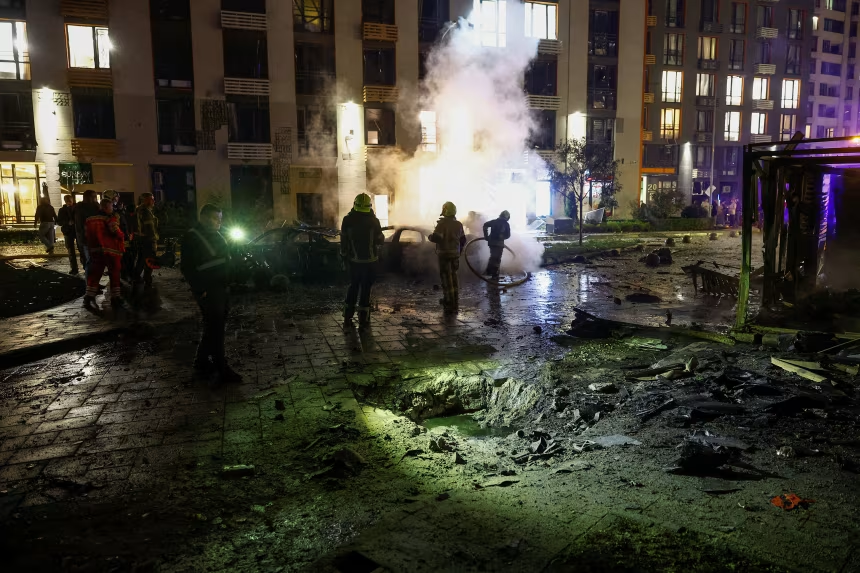
Separately, Kallas said the European Union’s latest sanctions package against Russia was aimed at putting more pressure on Moscow and limiting its ability to finance the war in Ukraine.
“It is to deprive them of the financing of this war,” she said.
Kallas said sanctions were having an effect on Russia’s economy and have made it harder for Moscow to raise capital abroad.
“We also see that due to the sanctions, they can’t raise capital outside,” she said. “It is clear that if we put this in place, it has an effect together with other elements.”
The European Union approved its 21st sanctions package against Russia over its war in Ukraine, imposing curbs on the country’s banking sector and cryptocurrency networks, the Council of the EU said on Thursday.
Kallas said sanctions were only one element of a broader European strategy to pressure Russia into serious negotiations with Ukraine.
“We have different elements of this approach. The sanctions are just one of them,” she said. “We are looking at what more we can do to pressure Russia to actually sit around the negotiation table and negotiate with Ukraine.”