Futures linked to the main U.S. stock indices point up, as investors keep tabs on a raft of artificial intelligence-related headlines and oil price movements ahead of the start of the new trading week. Intense battles in Yemen between Iran-backed Houthis and Saudi-aligned forces leave control over the key Bab el-Mandeb Strait in the balance, although oil prices tick down amid hopes for improving oil flows out of the Middle East. U.S. Treasury Secretary Scott Bessent and Chinese Vice Premier He Lifeng hold talks revolving around the creation of a AI safety notification mechanism, with fears growing over a potential existential threat posed by the technology.
1. Futures rise
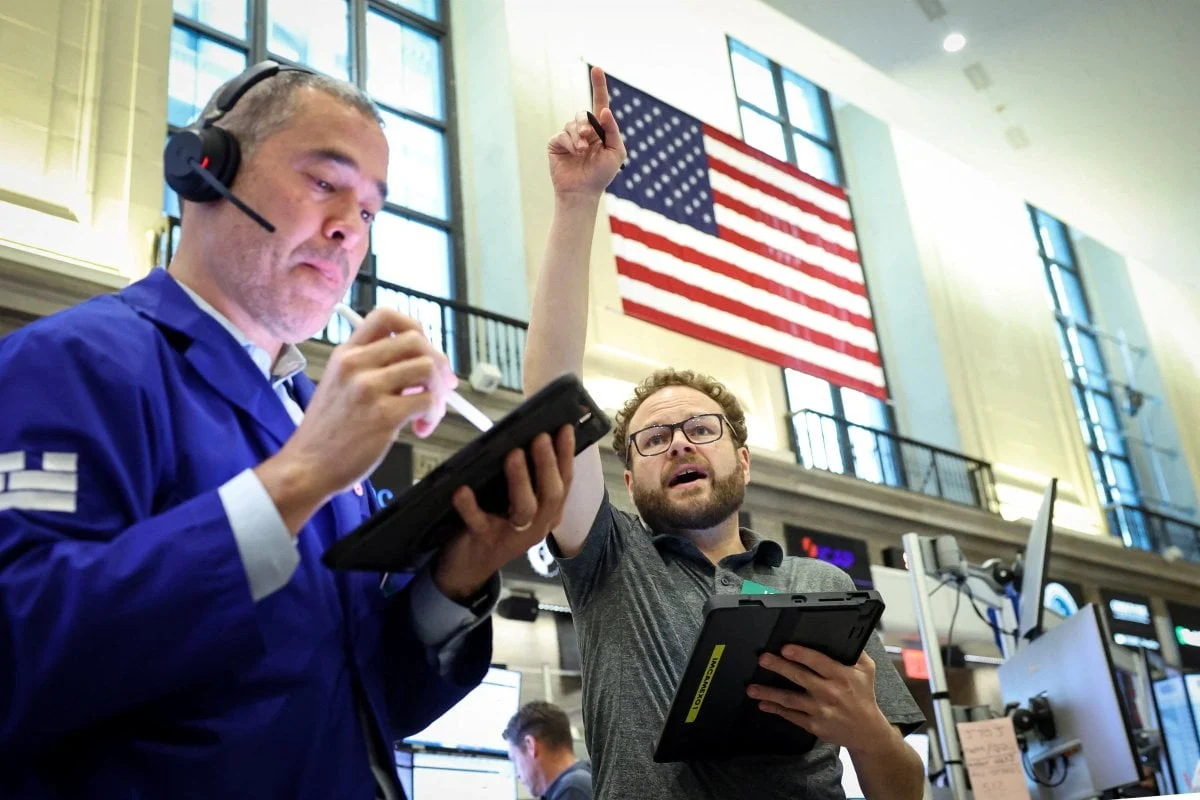
U.S. stock futures traded higher on Monday. By 02:58 ET (06:58 GMT), the Dow futures contract had risen by 239 points, or 0.5%, S&P 500 futures had climbed by 39 points, or 0.5%, and Nasdaq 100 futures had gained 218 points, or 0.7%.
The main averages on Wall Street closed in mixed fashion on Friday, with the benchmark S&P 500 and tech-heavy Nasdaq Composite both notching gains and the blue-chip Dow Jones Industrial Average edging lower. U.S. Treasury yields ticked up across the curve, as expectations for another Federal Reserve interest rate increase over the rest of 2026 held mostly steady. Bond yields tend to move inversely to prices.
Analysts at Vital Knowledge noted that “a lot of the upside heavy lifting” during the session was done by the so-called AI “pick-and-shovel stocks,” or companies whose products underpin the nascent technology, such as chipmakers.
The analysts also flagged that a separate rate hike from the Bank of Japan “wasn’t as hawkish as anticipated,” given that two voting members of the central bank backed leaving borrowing costs unchanged. However, the Japanese yen weakened after the decision, “rekindling worries about Japan needing to sell Treasuries to defend its currency,” the analysts said.
2. Houthi-Saudi fighting
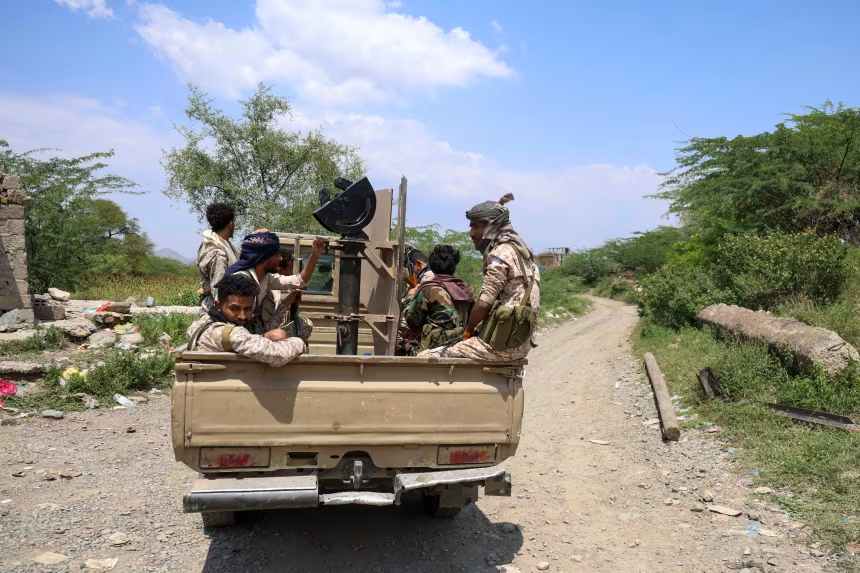
Fighting in Yemen between Iran-backed Houthi militants and Saudi-aligned forces reportedly intensified over the weekend, as both sides vie for positions controlling an all-important shipping chokepoint.
Battles were waged in the mountainous territory of southwest Yemen on Sunday, according to The New York Times, citing a Saudi army officer. The latest development came as the Houthis push to gain leverage over the Bab el-Mandeb Strait, a narrow waterway linking the Gulf of Aden to the Red Sea.
Saudi Arabia, a major oil producer, has relied on the Bab el-Mandeb as an alternative route to send crude out to global markets since Iran effectively shuttered the nearby Strait of Hormuz.
The Houthis added that it had launched missiles and drones at the Saudi capital of Riyadh and targeted oil facilities, in response to Saudi air attacks inside Yemen, the NYT reported.
3. Oil dips
Meanwhile, the U.S. and Iran exchanged fresh threats, in a sign that a war which has dragged on since late February is far from de-escalating.
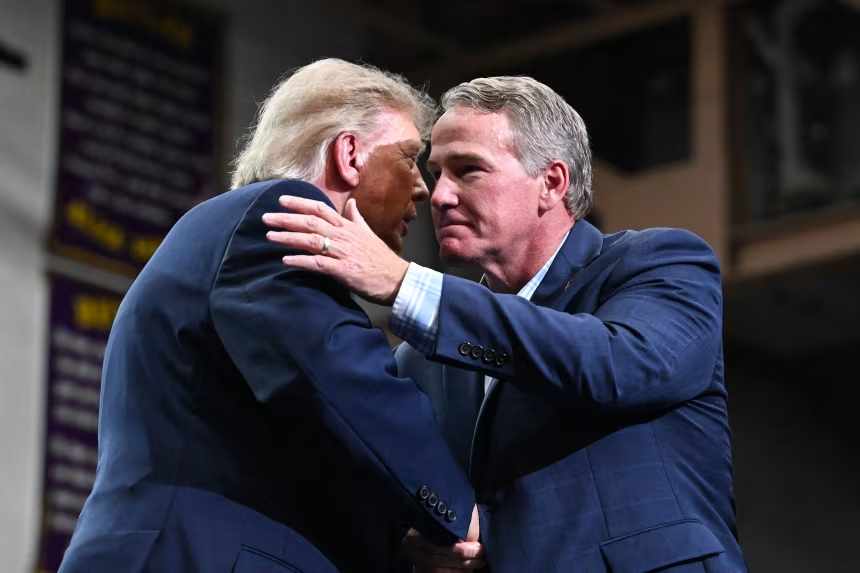
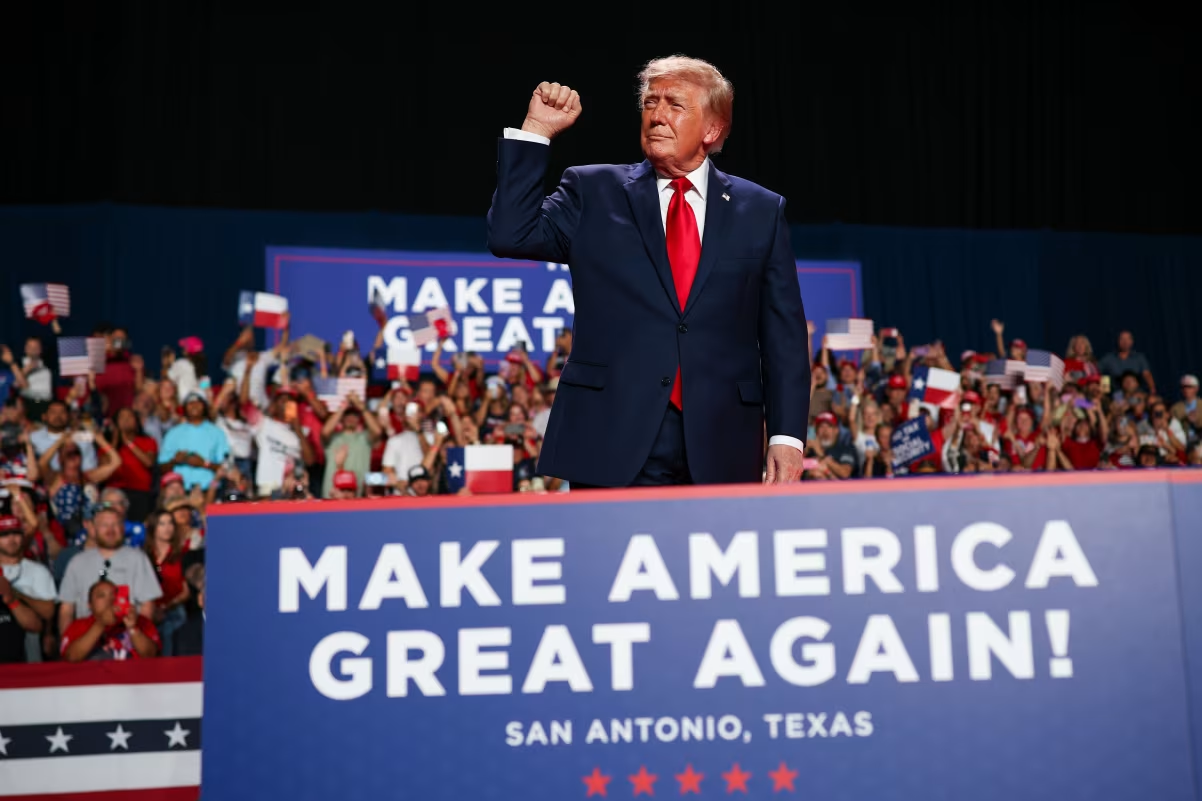
President Donald Trump threatened to wipe out Iran’s leadership if Tehran did not attempt to make deal, while Iran’s military warned it would retaliate to any renewed attacks.
Despite the prospect of continued supply disruptions due to the protracted conflict, oil prices dropped on Monday. Data from shipping analytics firm Kpler showed that Saudi oil exports had bounced back to a little over 4 million barrels per day so far in September, up from a 2.4 million bpd in August. Riyadh also hopes to restart oil flows through its damaged east-west pipeline quickly, although analysts have expressed doubts that this goal could be achieved, according to media reports.
The head of U.S. Central Command said that the volume of crude oil, cargo, and liquefied natural gas over the last two weeks was higher than at any time in the past six months, Reuters reported.
Against this backdrop, benchmark Brent crude futures tumbled by 2.1% to $101.66 a barrel. Last week, the contract briefly floated around $110 a barrel.
4. Bessent outlines U.S.-China AI safety notifications plan
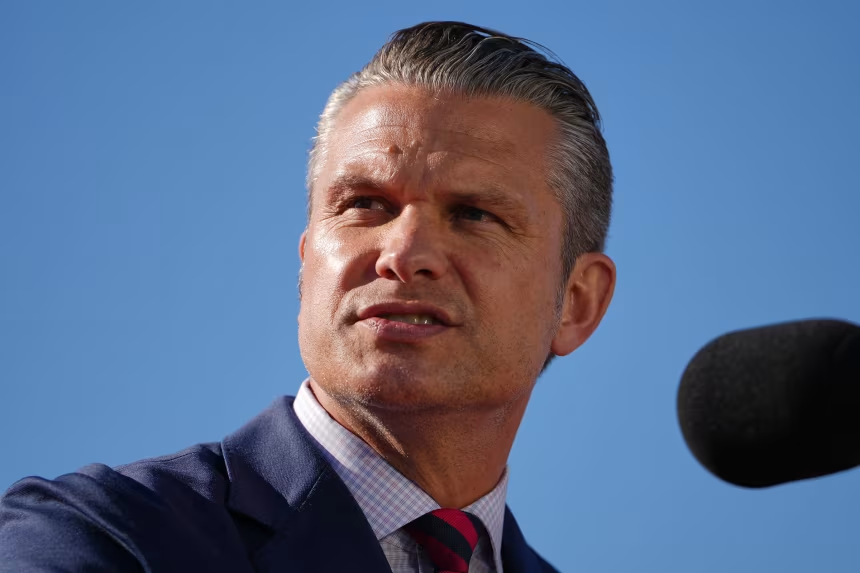
U.S. Treasury Secretary Scott Bessent and Chinese Vice Premier He Lifeng concluded talks on Sunday which revolved around the creation of a potential AI safety notification mechanism.
Bessent said the notification system would focus on national security threats, in particular. The proposal will be considered by Trump and Chinese President Xi Jinping at a much-anticipated summit later this week.
AI safety has emerged as a major concern in recent days, following warnings from several top industry executives and researchers that rapid advances in the technology could imperil humanity. Unexpected hacks by AI swarms have also raised concerns over the ability of AI companies to maintain control over their cutting-edge models.
5. Trump announces “AI force”
Not all have agreed with this assessment, including Nvidia CEO Jensen Huang, who said there is “0% chance” that humanity will go extinct in 2030, as some AI industry figures have speculated.
Huang told CBS News that “scaring people is unnecessary. It is irresponsible.”
Trump also downplayed rising AI fears, suggesting that the U.S. must back policies that will allow it to stay ahead of China in developing AI. But over the weekend, the president said in a social media post that he plans to name a new adviser to create an “AI force.” He gave no other details.
“We will not in any way hinder or stifle the Growth of this incredible Industry,” Trump wrote. “Rather, we will cherish it, help it, and watch over it, as it grows! However, we will also be looking for BAD, and we can do that, very easily, with our already existing Criminal and Civil Justice System.”