











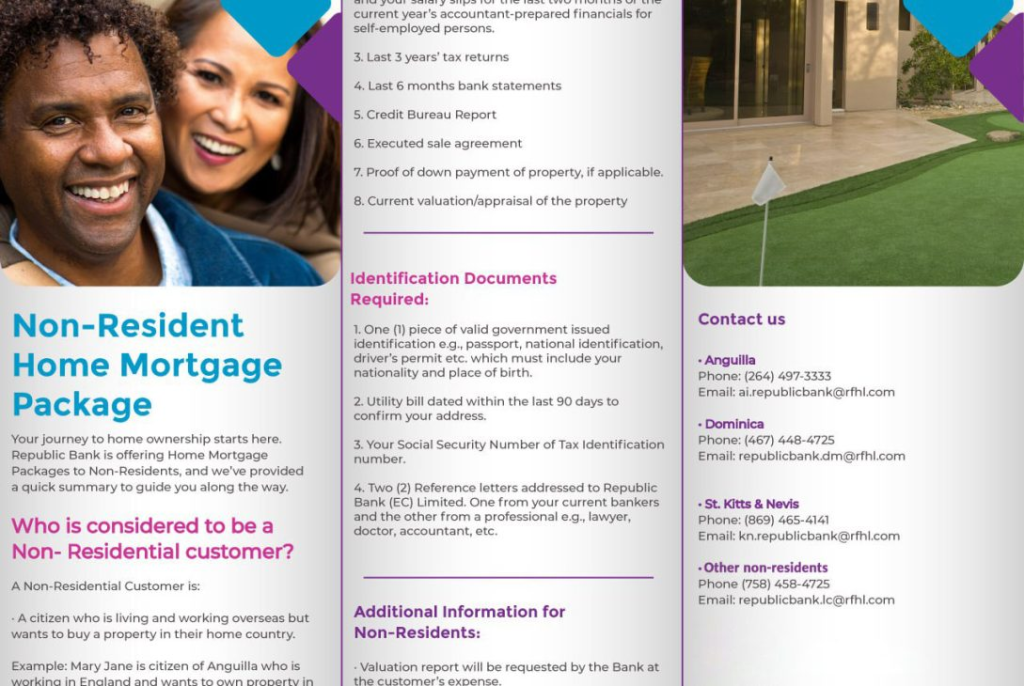
In recent years, an increasing number of major and regional banks have started to formally separate their communication channels with clients.
In addition to their “main” email address for resident customers, many now maintain dedicated email accounts and support lines specifically for non-residents or international clients. This isn’t a trendy move — it’s a pragmatic operational strategy that solves several problems at once: from easing the load on contact centers to ensuring regulatory compliance and improving the quality of service for customers living abroad.
Below is a detailed explanation of the reasoning behind this approach, how it works in practice, and real-world examples of banks that have already implemented it.
What Banks Actually Do
Set up dedicated email inboxes and contact forms for non-residents or international clients (typically found under sections such as “International,” “Expat,” or “Non-Resident” on their websites).
Assign specialized teams — relationship managers or multilingual support agents — or even designate specific branches that handle inquiries from this segment.
Limit the range of services available through these channels. Non-residents usually have access to international accounts, foreign currency operations, cross-border transfers, and investment products — but not the full suite of retail services offered to residents.
Why This Matters — Five Key Reasons
1) Reducing the load on main communication channels and speeding up response times
When both resident and international clients use the same inbox, the system becomes a bottleneck: priorities shift, staff waste time rerouting messages, and additional identity verification slows things down. A dedicated flow for non-residents lightens the workload for the main support team and ensures faster SLAs for each client category.
2) Different KYC and compliance requirements
Non-residents fall into a separate category with specific documentation, verification, and tax reporting standards (for instance, CRS/FATCA information exchange). Dedicated email channels help standardize processing templates and reduce errors in document validation.
3) Language localization and cultural adaptation
Non-residents often prefer to communicate in a different language. A specialized team fluent in clients’ native languages — or supported by translators — improves service quality and minimizes the risk of misunderstanding. This is especially crucial for remote banking and when discussing sensitive financial details.
4) Clear product-line segmentation
Services for non-residents are usually more focused but specialized — such as expat accounts, multi-currency cards, international transfers, and investment solutions. Separate communication channels help avoid product mix-ups and ensure that responses are accurate and relevant.
5) Security and SLA compliance
Emails from non-residents often contain personal data and identification documents. Dedicated processing channels allow for stricter data handling and routing protocols (encryption, restricted access, etc.) and help maintain a controlled and auditable service level.
Real-World Examples of Banks with Dedicated Channels for Non-Resident or International Clients
HSBC Expat / International — HSBC maintains dedicated international and expat web pages, products, and service channels specifically for non-residents and expatriates. The bank clearly positions these as separate divisions with distinct communication channels for this audience.
Bank of Cyprus — International Banking — The bank’s website lists separate email addresses for its International Banking Unit (IBU), such as IB@bankofcyprus.com and several internal IBU contacts for different departments. This is a textbook example of a structured “international” mailbox system.
GTBank (Ghana / Nigeria and others) — NRN / Non-Resident Services — Some major regional banks, including GTBank, maintain dedicated teams and addresses for servicing non-residents and the diaspora, often under NRN (Non-Resident Nigerians) or similar designations.
Barclays International / International Client Support — Barclays’ international division offers distinct contact channels — including emails and hotlines — for its international clients. The bank even lists direct contact addresses such as bwiclientsupport@barclays.com in its official documentation.
Deutsche Bank — International and Wealth Client Lines — Global banks like Deutsche Bank often publish dedicated contact details for international, wealth, or NRI (Non-Resident Indian) clients, maintaining localized email inboxes and specialized hotlines.
What Happens If a Non-Resident Writes to the “Main” Resident Email
If a non-resident accidentally sends an inquiry to the bank’s main email address intended for domestic clients, in most cases the message won’t receive proper attention. It will either sit unanswered in the queue or be automatically filtered out as irrelevant, since the frontline support staff are not authorized to handle such requests.
As a result, the client risks wasting time and not getting their issue resolved until they reach out through the correct channel — the one specifically designated for international clients.
That’s where the inquiry is routed to a trained team familiar with non-resident servicing, multilingual communication, and relevant compliance nuances.
Creating dedicated email channels for non-residents is, therefore, a logical and efficient step in operational optimization for banks: it helps offload the main support service, streamline compliance processes, enhance customer experience (including language support), and reduce errors in handling complex or atypical cases.
For clients, it simply means one practical rule — always look for and use the bank’s international contact email instead of the general one. Doing so greatly increases the chances of getting a fast, accurate, and professional response.